
Are you curious about how toddler care services promote nurturing environments for your children? Read to learn more about how care services benefit your kid.

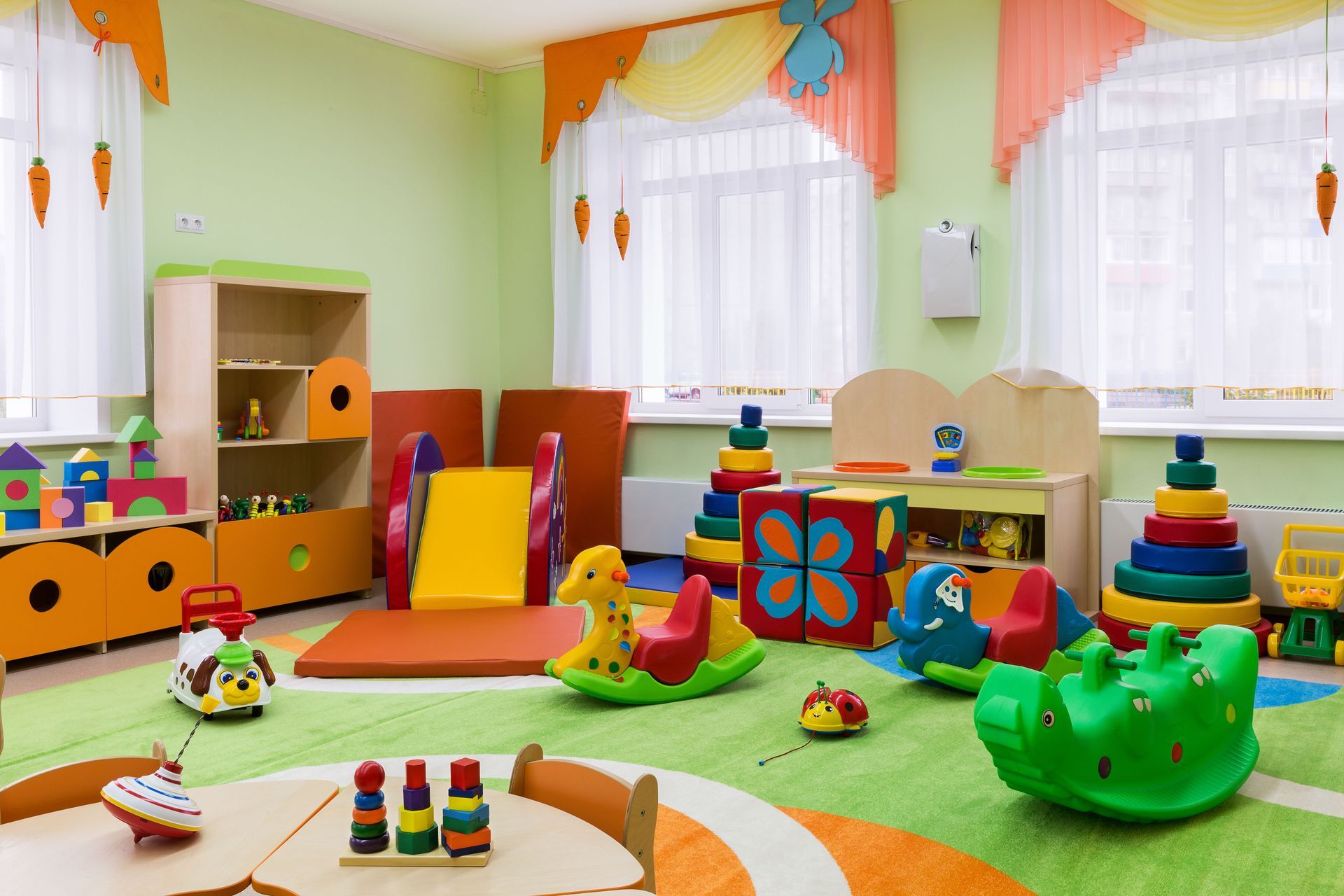
In today's busy world, the demand for quality infant care has skyrocketed, with many parents seeking services that go above and beyond. A growing number of parents are seeking not just care, but exceptional care, for their infants. Recognizing what makes these standout providers can be critical for parents making an informed decision. This article delves into the various components that distinguish exceptional providers from the rest. It explores attributes such as training, personalized care, safety, communication, community partnerships, and a commitment to improvement, highlighting how these factors contribute to quality infant care. High-Quality Training and Certification Accredited Programs An essential element in identifying exceptional infant care providers is their commitment to high-quality training through accredited programs. These programs align with the highest industry standards and regulations, ensuring that caregivers are equipped with the latest knowledge and skills. Such credentials not only demonstrate a commitment to professionalism but also provide parents with peace of mind knowing their children are in capable hands. Moreover, participation in credible programs highlights a provider's dedication to meeting the evolving needs of infant care. In a competitive industry with over 525,344 day care businesses in the US, accreditation sets a provider apart. CPR and First Aid Training CPR and First Aid training are non-negotiable aspects of an exceptional infant care provider's skill set. In emergencies, having caregivers who can respond swiftly and appropriately is invaluable. This training is essential for ensuring the safety and well-being of infants under their care. By remaining updated with these life-saving techniques, providers demonstrate a proactive approach to health and safety. Parents often consider such qualifications when selecting a service provider, as they add an extra layer of security. Ongoing Professional Development Continuous professional development is a hallmark of exceptional care providers, illustrating their commitment to advancing their skills and knowledge. This dedication to ongoing education allows caregivers to stay informed about new research, technologies, and methodologies in childcare. By participating in workshops, seminars, and training sessions, they ensure that their expertise remains current and relevant. Such growth not only improves the quality of care provided but also builds trust with parents and the community. It underscores a provider's commitment to excellence and adaptability in a rapidly evolving industry. Specialized Infant Care Knowledge Providers who stand out often possess specialized knowledge in infant care that goes beyond basic caregiving. Understanding infant development stages, nutritional needs, and sensory-motor skills is crucial for crafting effective care plans. This depth of knowledge allows caregivers to support the physical, emotional, and cognitive development of each infant uniquely. Such expertise is indicative of a provider's dedication to offering more than just basic care. It ensures that infants receive care tailored to foster their overall development, enhancing satisfaction for both the child and the family. Background Checks and Clearances Ensuring the safety and security of infants is paramount, which is why rigorous background checks and clearances are a staple among superior infant care providers. Such thorough vetting processes ascertain that caregivers are trustworthy and have no history that could compromise the safety of the children. This level of scrutiny provides parents with reassurance that their infants are in safe, capable hands. Moreover, background checks are a manifestation of a provider's commitment to maintaining the highest ethical standards. These procedures contribute significantly to building trust between caregivers and families, a foundational element in exceptional care. Personalized Care Plans Individualized Feeding Schedules Exceptional providers recognize that every infant has unique needs, particularly in regard to feeding. Personalized feeding schedules are crafted based on the specific nutritional requirements of each child, taking into account preferences and any potential allergies. This individualized approach ensures that infants receive the necessary nutrients for their growth and development at the right times. Parents value this level of personalization as it demonstrates a deep understanding of their child's needs. A tailored feeding plan reflects an attentiveness that is the hallmark of outstanding care providers. Flexible Sleep Routines Establishing a flexible sleep routine is another key feature of personalized care. Each infant has different sleep patterns, and accommodating is crucial for their well-being. Exceptional caregivers work closely with parents to structure sleep schedules that align with an infant's natural rhythms while also incorporating family routines. This flexibility helps to ensure infants get adequate rest, which is fundamental to their growth and development. Such careful consideration of an infant's individual sleep needs significantly enhances the quality of care provided. Developmental Activity Plans Developing activity plans that cater to the specific developmental stages of each infant sets outstanding providers apart. These plans include activities designed to promote cognitive, emotional, and physical development. By incorporating a range of stimuli and experiences, caregivers help to nurture an infant's curiosity and learning abilities. Collaboration with parents to adjust these plans as the child grows ensures that activities remain engaging and beneficial. This tailored approach is indicative of a provider's commitment to fostering a holistic developmental environment that benefits the infant and reassures parents. Cultural and Family Values Integration An exceptional infant care service respects and integrates each family's cultural values into daily routines and activities. Understanding and honoring these values helps to create a consistent caregiving environment that promotes comfort and familiarity for both infants and their families. Whether through language, diet, or cultural celebrations, providers who incorporate these elements demonstrate cultural sensitivity and inclusivity. This practice not only builds a strong sense of community but also nurtures a feeling of trust and respect between caregivers and families. Such dedication to personalization strengthens the caregiver-family bond. Regular Parent-Provider Meetings Regular meetings between parents and providers are crucial for maintaining open communication and adjusting care plans as necessary. These interactions offer a platform for discussing an infant's progress, concerns, or changes in routine, ensuring care remains consistent with evolving family needs. Establishing reliable communication channels reinforces a collaborative relationship that benefits the infant's development. By prioritizing these meetings, providers demonstrate their commitment to transparency and partnership with parents. This engagement not only reassures parents but also fosters an environment of mutual respect and collaboration. Safe and Stimulating Environment Childproofing Measures Implementation of rigorous childproofing measures is essential for providing a safe environment that protects infants from potential hazards. Exceptional care providers painstakingly ensure their facilities comply with the highest safety standards. From securing outlets and using padded furniture to installing secure play areas, every precaution is meticulously undertaken. Childproofing extends beyond the physical environment, incorporating a culture of vigilance and preparedness among staff. Ultimately, these measures create a space where infants can explore and play safely, enabling peace of mind for parents. The qualities that make exceptional infant care service providers stand out go beyond mere compliance with industry standards. By investing in quality training, developing personalized care plans, maintaining safe environments, fostering effective communication, building strong community partnerships, and committing to continuous improvement, these providers set themselves apart. These attributes not only enhance the growth and development of infants but also build trust and satisfaction among families, ultimately leading to lasting, impactful relationships. Exceptional providers are those who ceaselessly adapt, learn, and grow, driven by a sincere dedication to the families they serve. The result is a nurturing environment where infants thrive, and parents find peace in the care provided. According to IBISWorld, there are over 525,344 day care businesses in the U.S. Be sure to reach out to Grace's Place today to learn more about our professional infant care services!